
Julius Caesar by w. shakespeare
I made this book completely out of cut paper. It tells the story of Julius Caesar by William Shakespeare.
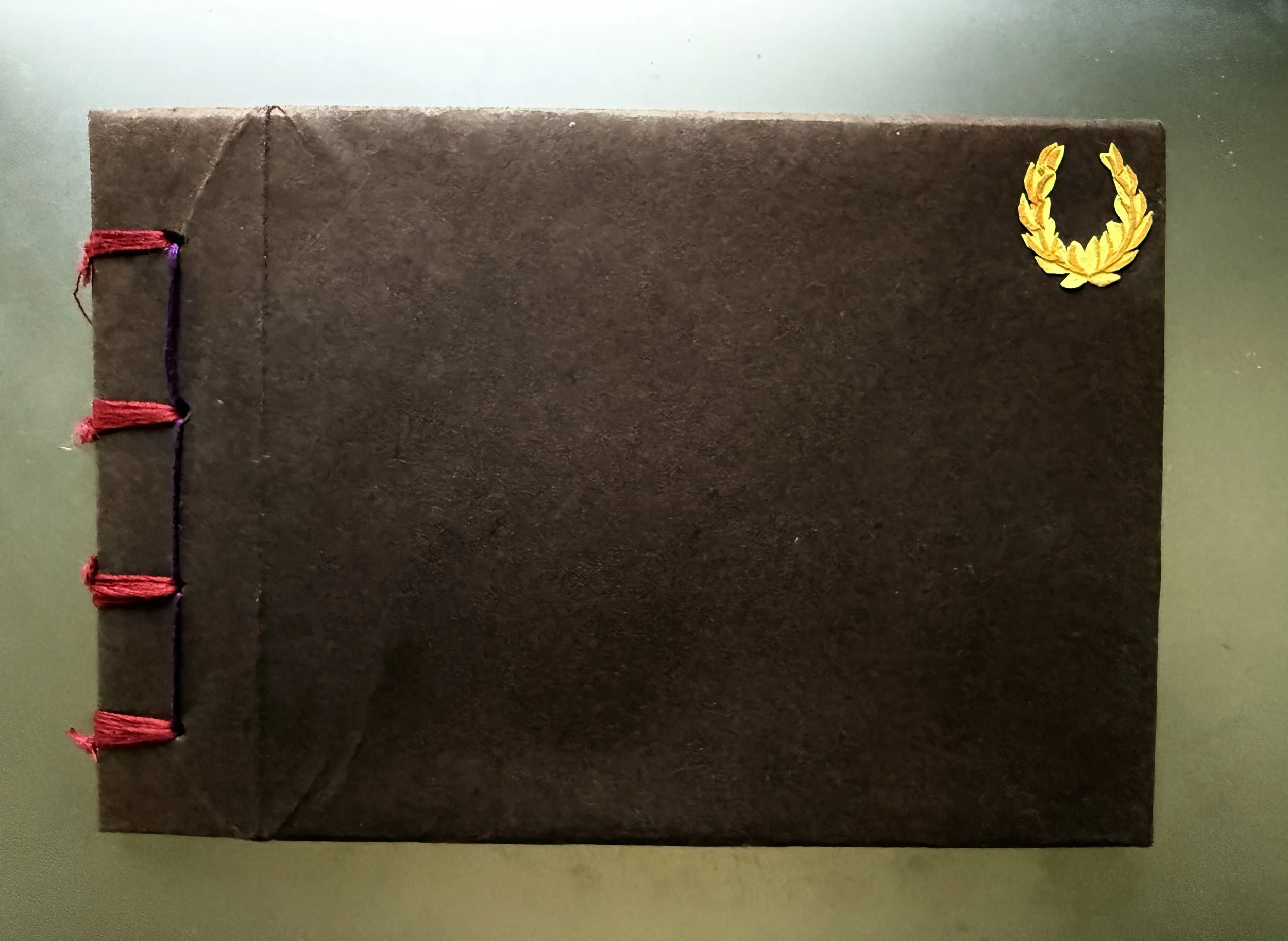
book cover
We see a completely black background showcasing the symbol of Roman Imperial Status: the laurel crown.

inside cover
The purple background symbolizes the royal color of Rome. In the bottom right corner lies the sword of Brutus in a pool of blood. But to whom does this blood belong?
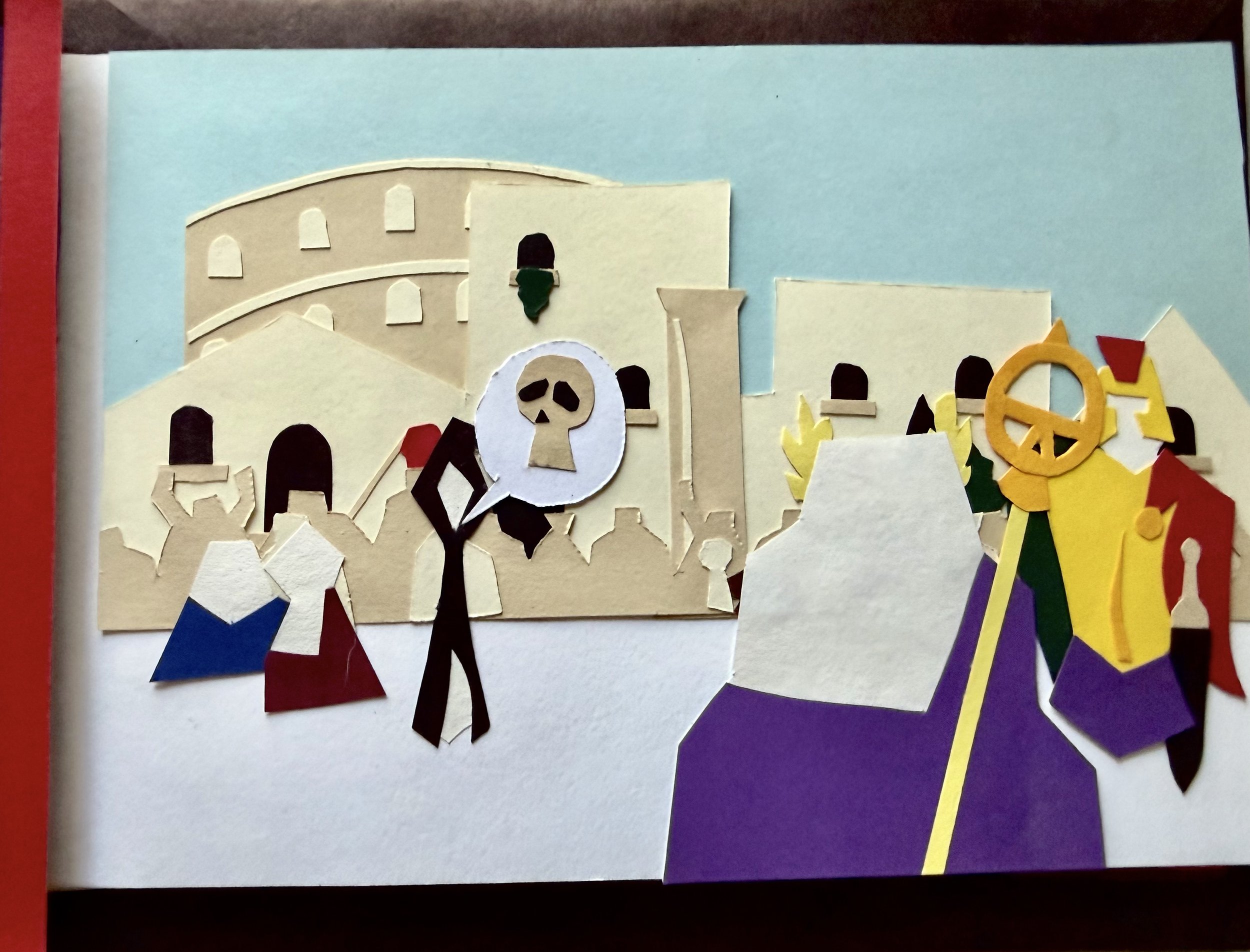
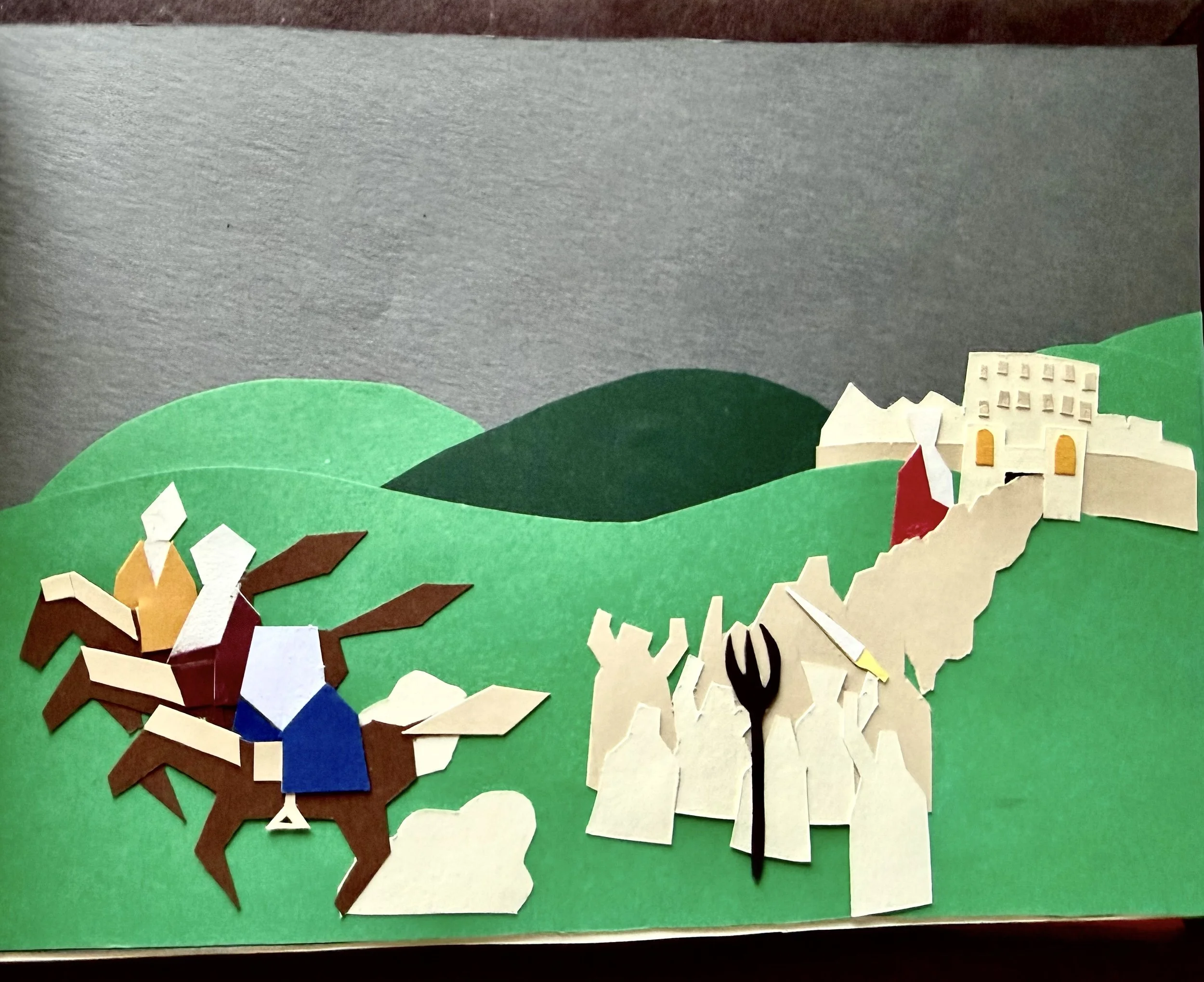

“beware the ides of march”
During the Feast of Lupercal, a soothsayer gives Caesar an ominous warning. Caesar dismisses the fortune teller calling him a “dreamer.”
conspiracy in brutus’ orchard
Brutus joins Cassius and other conspirators in the early hours of the Ides of March at Brutus’ orchard to solidify their plans to assassinate Julius Caesar.
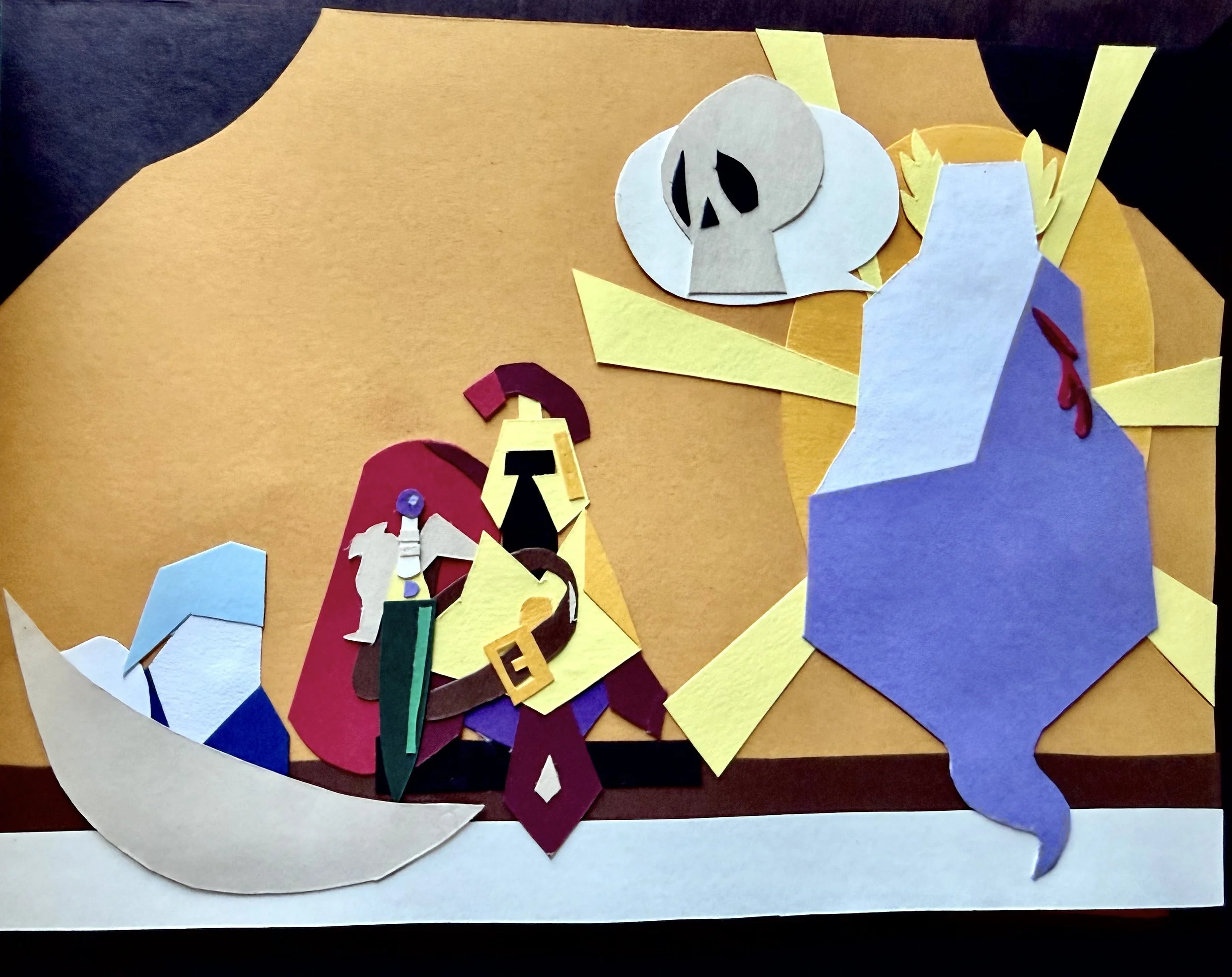
the assassination of caesar
The conspirators led by Brutus and Cassius enter the Senate. Brutus is seen here delivering the fatal strike to Caesar with the impaled emperor exclaiming with his final breath, “Et tu, Brute?” while Marc Antony witnesses in mournful disbelief within the hallowed walls of government.
the exile from rome
Following Mark Antony’s inflammatory funeral oration, which turns the citizens against the conspirators, Brutus and Cassius are forced to leave Rome in a hurry to escape public fury and the rising power of Antony and Octavius.
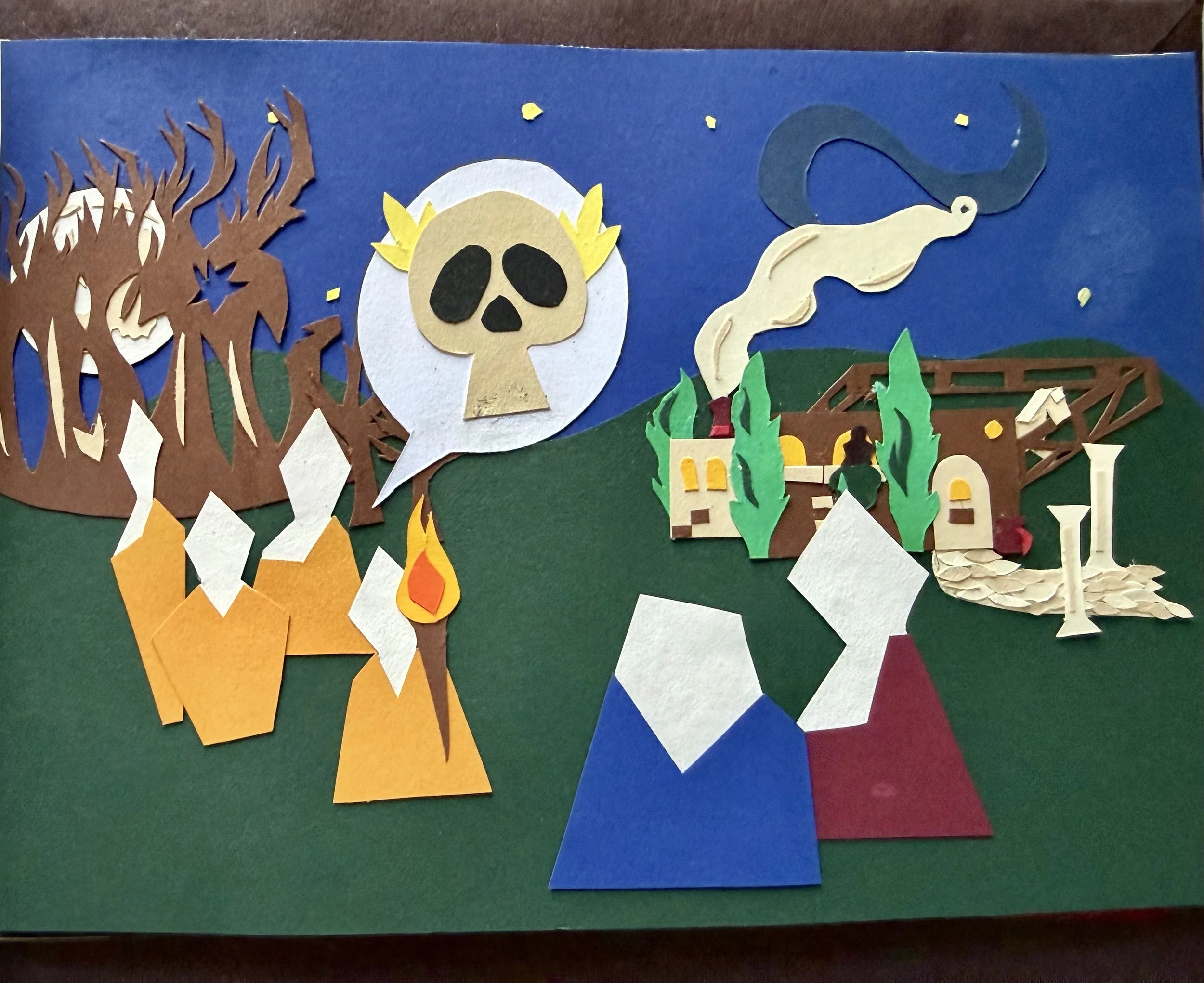
great caesar’s ghost
The Ghost of Caesar appears to Brutus in his tent at Sardis. Identifying itself as "Thy evil spirit, Brutus," the ghost tells him, "Thou shalt see me at Philippi," foreshadowing the coming battle, while symbolizing Brutus’ guilt and the inescapability of fate.
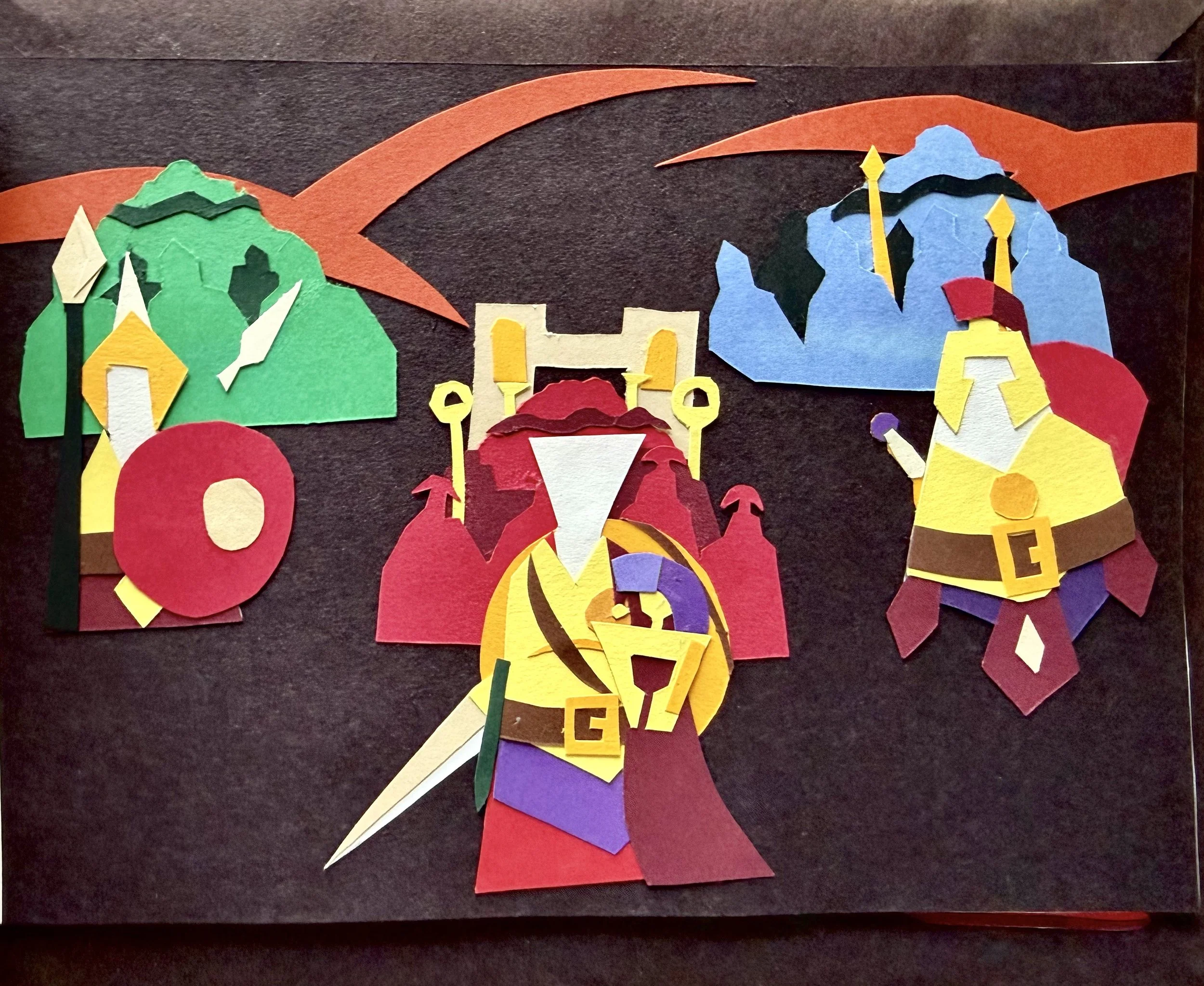
marching to philippi
The forces of Cassius (left) and Brutus (right) leave their camps and march off to face Antony and Octavius on the fields of Philippi. Marc Antony (center) can be seen leading his legions out of Rome’s famous gates with the Seven Hills of Rome looming in the distance. Will Marc Antony and Octavius avenge Caesar’s untimely end?
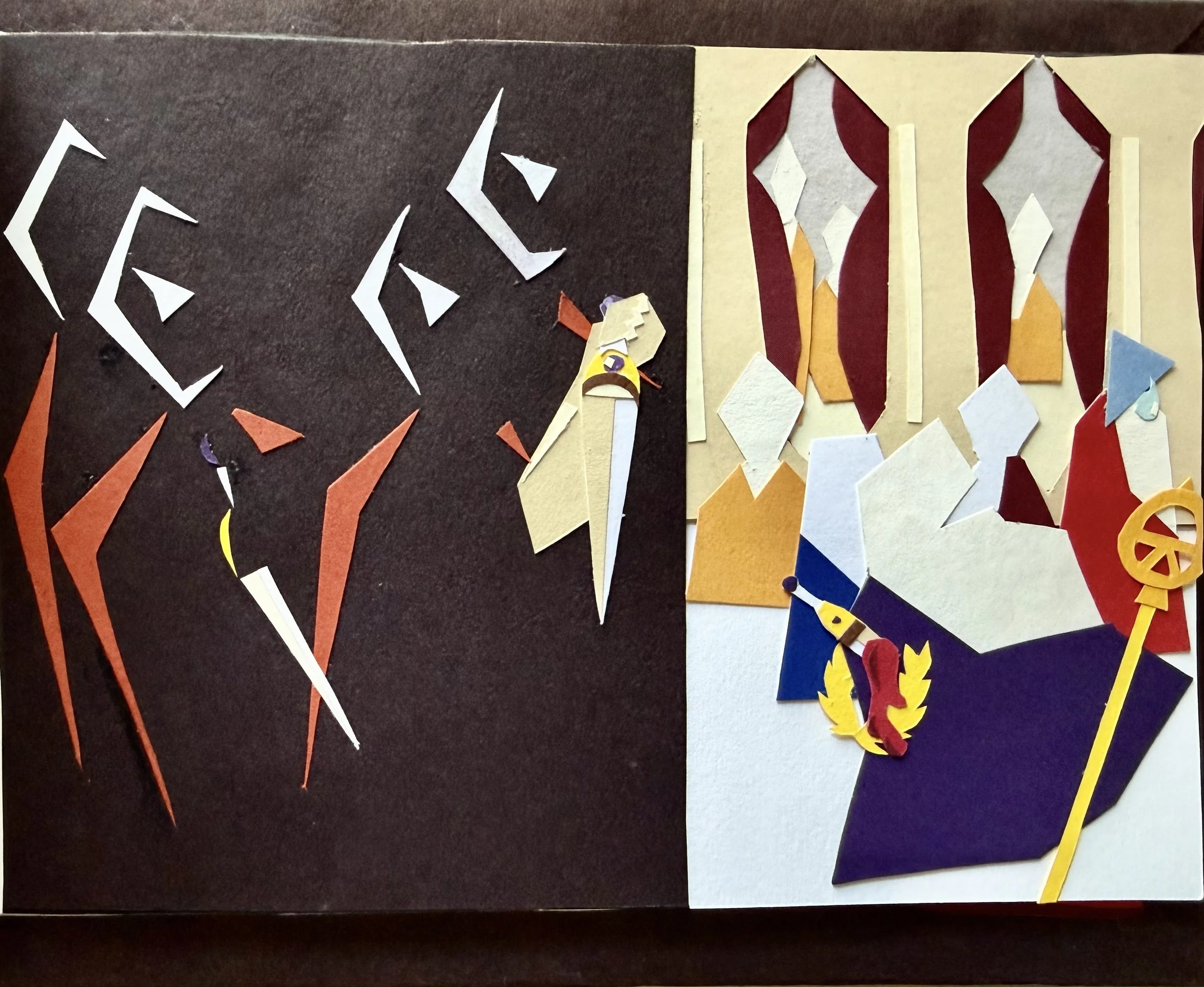
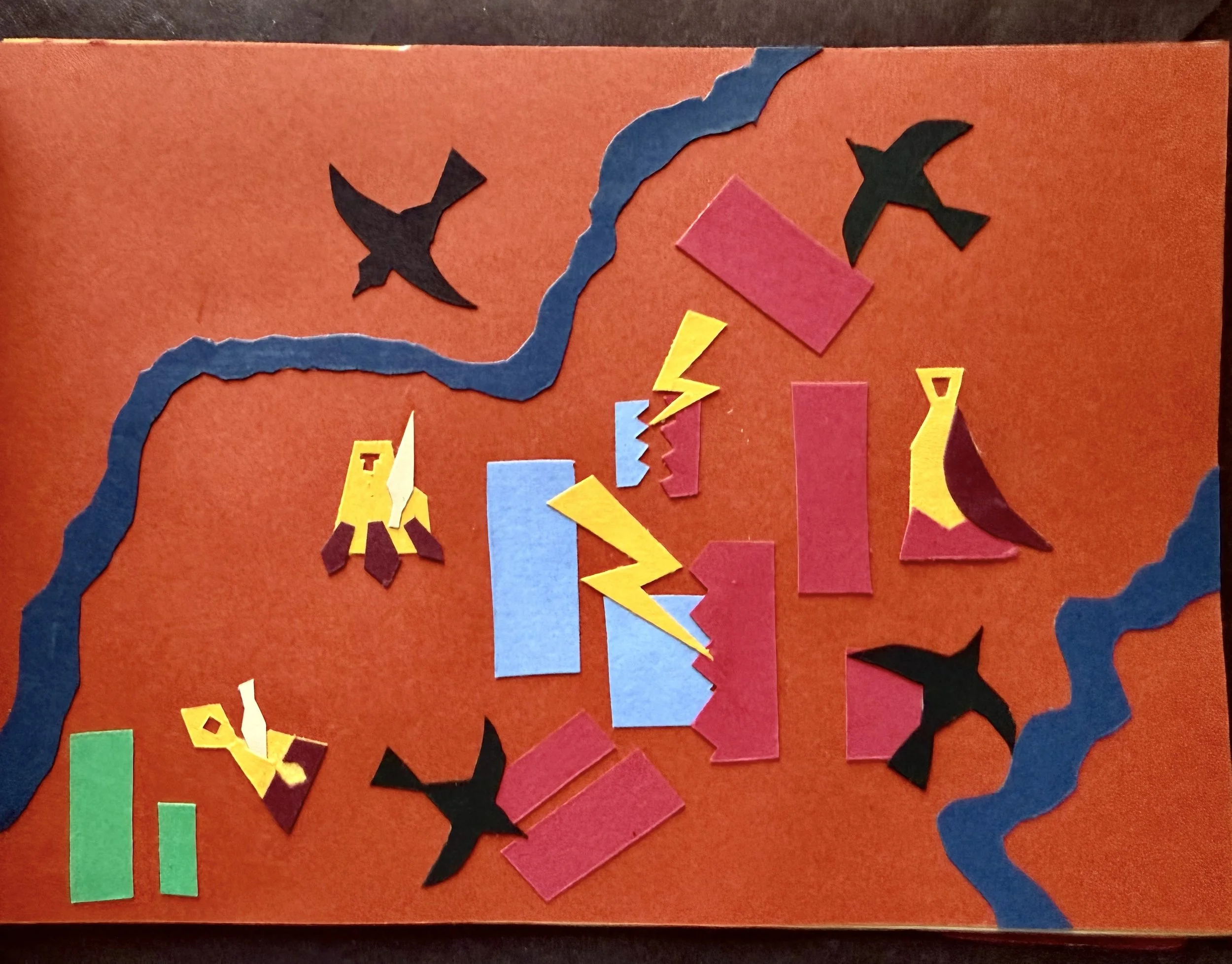
the Second battle at phillipi
After a somewhat successful first battle by Brutus and Cassius, the second triumvirate led by Antony and Octavius soon regain control of the battlefield. Antony and Octavius’ forces successfully sack Cassius’ camp and in doing so, Cassius commits suicide mistakenly believing his friend Titinius has been captured, A despairing Cassius orders his servant Pindarus to stab him with the same sword used to kill Caesar. We see here, where Brutus is still engaged in battle with the Roman Army. A murder of crows circle overhead. It is a certain symbol of impending doom. But to whom shall their murderous “cawl” be bestowed upon?
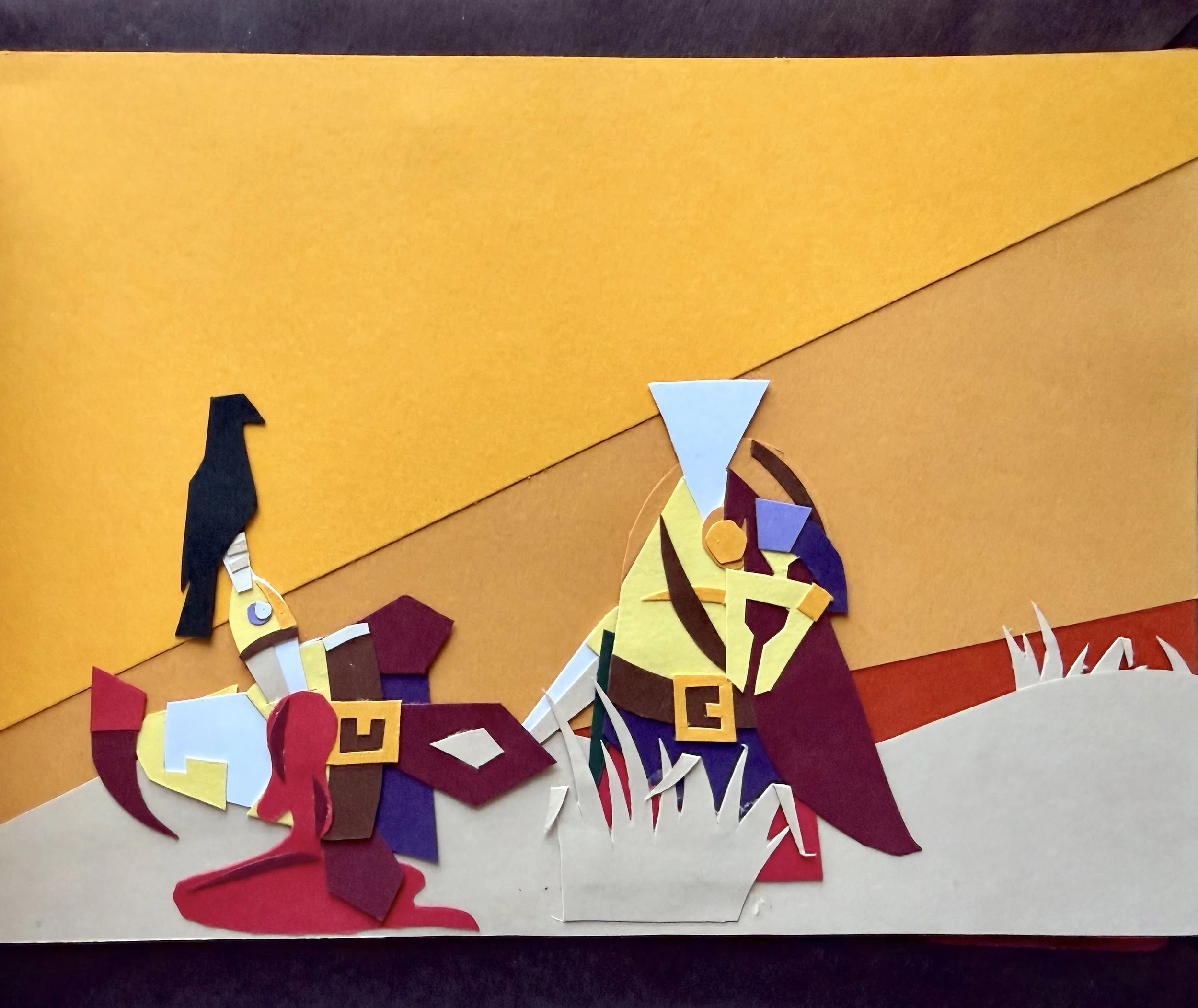
brutus is slain
Realizing his army is defeated and facing capture, Brutus asks his followers to hold his sword while he runs upon it, with Strato, Brutus’ loyal soldier, finally helping him commit suicide. Antony then comes upon the slain Brutus. Antony honors him as "the noblest Roman of them all,” doing what no other Roman could do which was for the greater good of all Rome. A single crow sits upon Brutus’ sword, quelling the omen of doom foretold by Julius Caesar’s ghost.
back inside cover
Thus ends just one of many an epic tale to which Rome has so often been part of. We now know that the blood from the front inside cover was the blood of the slain Brutus. On this final page, the sword is not shown, symbolizing that it still is embedded within the righteous, yet traitorous assassin. The purple field symbolizes that the power of Rome still persists.